


CHICKEN GRILLS
Chicken rotisserie grills are designed for roasting whole chickens on rotating spits for even exposure to heat throughout the cooking process. The range includes electric and gas models with different numbers of spits and capacities, from compact units to high-capacity grills. A wide selection of accessories extends their versatility to other types and cuts of meat and includes equipment for spit handling, portioning and cleaning.

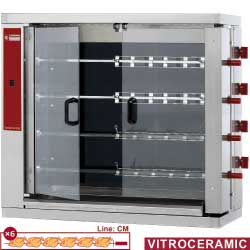
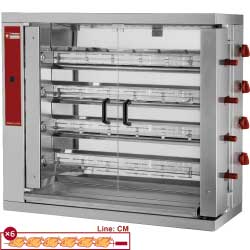






Crispy on the outside, juicy on the inside
A well-roasted chicken should have evenly browned, crispy skin and juicy meat. Chicken rotisserie grills provide consistent heat throughout the cooking process, helping achieve the characteristic appearance, aroma and flavor of freshly roasted chicken.
When roasted chicken sells at first sight
The sight of freshly roasted, golden-brown chickens can attract customers before they even place an order. The glass-fronted design keeps the cooking process and current selection clearly visible. The aroma and visual appeal of freshly roasted chicken naturally encourage impulse purchases.
More possibilities with the right accessories
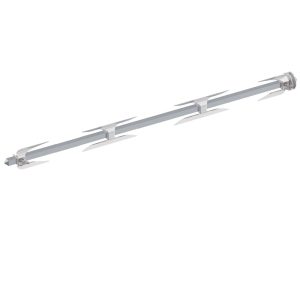
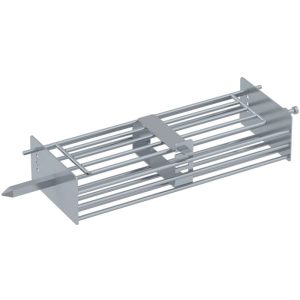
Different types of spits and baskets extend the grill's versatility to spatchcock chicken, chicken thighs, ribs, rabbit and other types and cuts of meat.
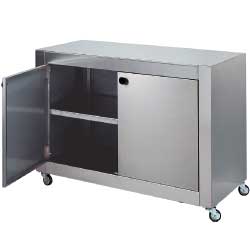
Available accessories include stands, spit trolleys, portioning equipment, heated holding solutions for cooked chickens, cleaning accessories and protective canopies for outdoor sales.
Cleaning and hygiene
Fat and cooking juices collect in a removable drip tray, which can be taken out and cleaned after cooking.
Where chicken rotisserie grills are used
Chicken rotisserie grills are widely used in butcher shops, supermarkets, prepared-food departments, restaurants, fast-food operations and specialty rotisserie chicken shops.
They are also suitable for food trucks, mobile food operations, market stalls, fairs, festivals and catering.
Frequently Asked Questions
What is the difference between electric and gas models?
Electric grills use electric heating elements, while gas models produce radiant heat using gas burners and infrared emitters. The main differences are the energy source and the way the heat is generated.
Choosing the right grill size
The starting point is the number of chickens that need to be cooked at the same time. The number and usable length of the spits, together with the grill's total capacity, are important when selecting a model. For higher-volume sales, additional capacity provides useful flexibility during peak periods.
Keeping roasted chickens hot before sale
After cooking, roasted chickens can be transferred to suitable hot-holding equipment or a heated holding stand designed to maintain the required temperature until they are sold.
Does a chicken rotisserie grill require ventilation?
For indoor installation, adequate ventilation must be designed to remove heat and grease-laden vapors and prevent them from accumulating in the space. With gas models, the exhaust hood and ventilation system must also account for combustion products and comply with applicable safety requirements. The ventilation system should be sized according to the grill's output and the conditions of the specific installation.