


PROFESSIONAL EQUIPMENT FOR ASIAN CUISINE
Professional equipment for Asian cooking is designed for specialized cooking techniques that conventional cooking equipment cannot always fully replicate. High-performance gas and induction wok ranges provide intense heat for fast stir-frying, Teppanyaki griddles allow food to be prepared directly on a heated cooking surface, and dedicated cookers are designed for noodles, rice, or steaming Dim Sum. The range also includes Yakitori grills and other equipment for Chinese, Japanese, and other Asian foodservice concepts.

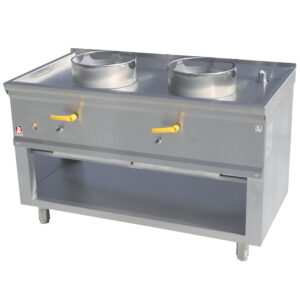
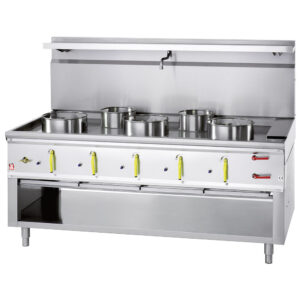
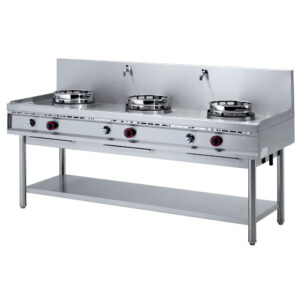
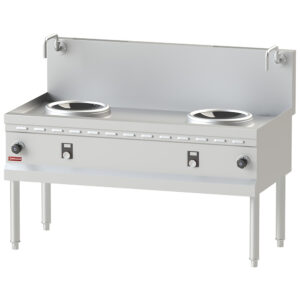



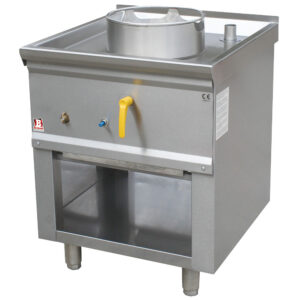
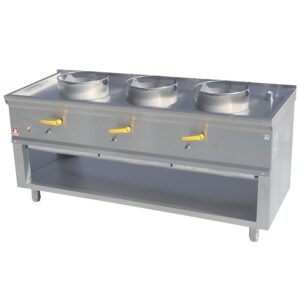


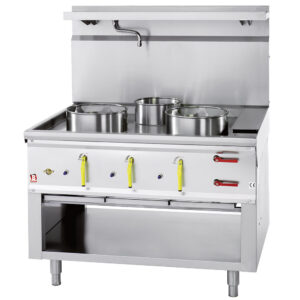


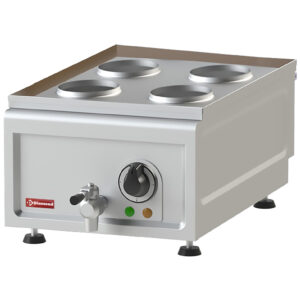

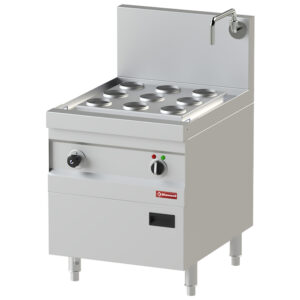

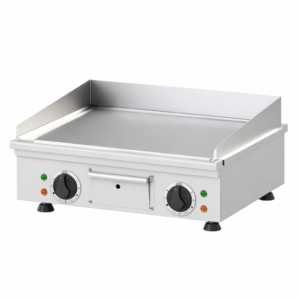


Wok cooking requires high power and fast response
Professional wok ranges deliver the high heat output needed to bring a wok rapidly to cooking temperature and cook ingredients intensively in a short time. Fast heat-up and immediate access to high temperatures are fundamental to professional wok cooking.
Gas wok ranges provide intense heat from an open flame, while induction models transfer energy directly to compatible cookware. The choice of technology therefore affects not only the energy source, but also workstation layout and kitchen workflow.
Water as part of the wok station
On high-performance wok stations, the water supply and drainage system can be integrated directly into the worktop. This arrangement facilitates rinsing of woks and the work surface during intensive service.
Depending on the configuration, wok ranges can be equipped with a water system, drain, filter or faucet, creating a complete workstation adapted to the workflow of an Asian kitchen.
From wok to Teppanyaki, Dim Sum and Yakitori
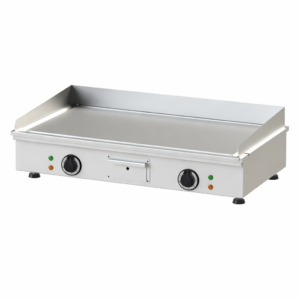
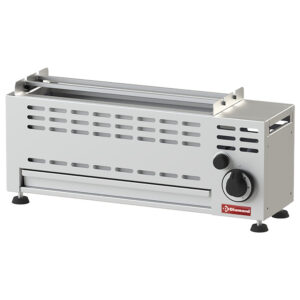
Asian cuisine uses distinctly different cooking methods. Wok cooking relies on intense heat and short cooking times, Teppanyaki uses direct contact with a heated griddle surface, Dim Sum is prepared with steam, and Yakitori uses skewers to grill smaller pieces of meat and other ingredients.
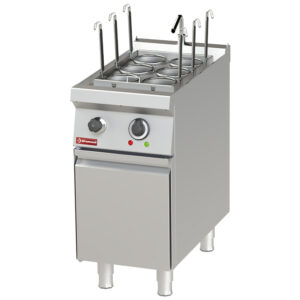
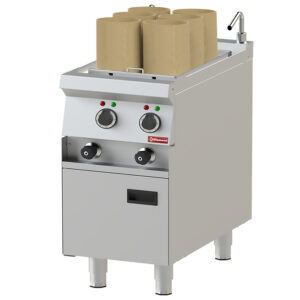
Dedicated noodle cookers and rice cookers form another important part of the equipment used in kitchens focused on Asian menus.
Planning the Asian cooking zone
High-performance wok ranges and grills generate considerable heat loads, so adequate exhaust ventilation and make-up air must be considered when planning the kitchen. Electrical or gas connections must also be sized according to the selected equipment.
Wok stations with integrated water systems also require suitable water supply and drainage. Utilities, ventilation and equipment layout should therefore be planned together as one functional cooking zone.
More information about the individual technologies, their applications and the differences between the equipment can be found in our article Asian Cuisine – Professional Technologies.
Frequently Asked Questions
What is the difference between a gas and an induction wok range?
A gas wok range heats the wok with an intense flame, while an induction model generates heat directly in compatible cookware. Both technologies provide fast, high-output cooking, but differ in heating method, utility requirements and workstation design.
Why do some wok ranges have a water supply and drain?
On selected professional wok stations, water is integrated into the workstation for rinsing woks and the work surface during service. The integrated drain removes used water directly from the unit.
Teppanyaki or wok?
These are two different cooking technologies. A wok is used for rapid cooking at intense heat inside the pan, while Teppanyaki cooks meat, fish, vegetables and other ingredients directly on a heated griddle surface.
Do professional wok ranges require high-performance ventilation?
Yes. High-output gas wok ranges in particular generate substantial heat, steam and grease-laden vapors. The exhaust hood and ventilation system must be designed according to the output and layout of the equipment, with gas models also requiring proper removal of combustion products.