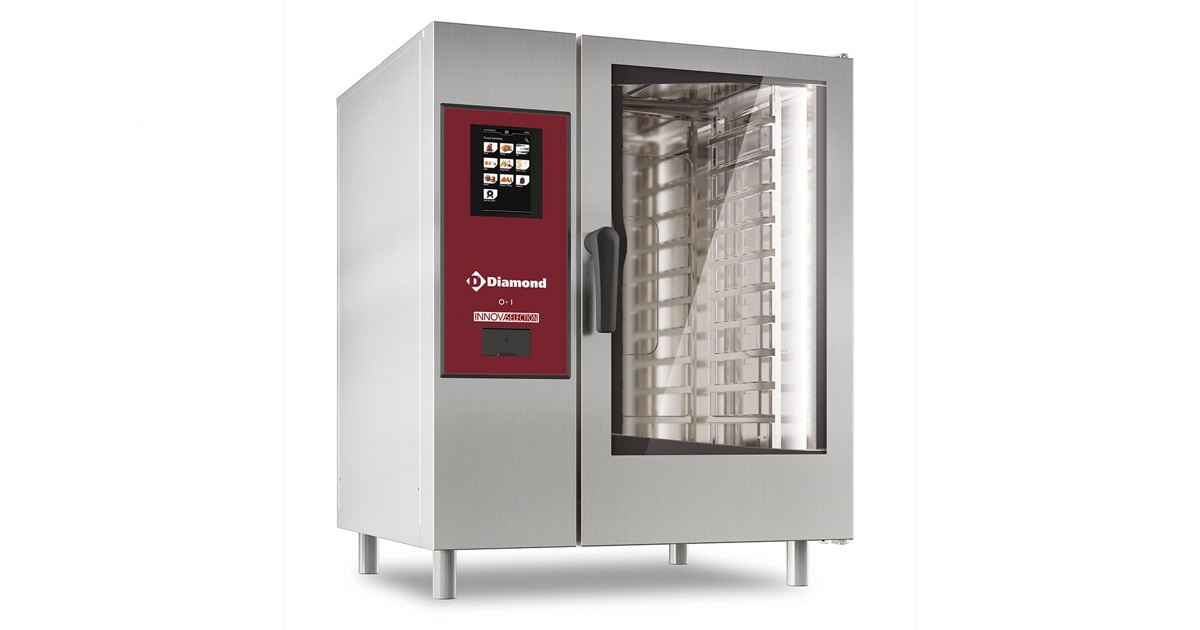
A combi oven is a professional kitchen appliance that combines the functions of a convection oven and a steam oven in one compact solution. Thanks to precise control of temperature, humidity and air circulation, it enables the preparation of various types of dishes faster, more evenly and with consistent results. In modern professional gastronomy, the combi oven has become a standard appliance for the thermal preparation of a wide range of foods.
In this article, we take a closer look at what a combi oven can do, what its main advantages are and how to choose the right model for your operation.
What is a combi oven and what can it do
A combi oven operates on the principle of controlled circulation of hot air, steam, or their combination in a closed cooking chamber. This allows the realization of various cooking methods in one appliance – from boiling and stewing, through baking and gratinating, to the regeneration of finished dishes.
Precise adjustment of temperature, humidity and air flow intensity ensures even results without drying out raw materials. Dishes retain their taste, structure and visual quality, even when preparing multiple dishes simultaneously.
The combi oven makes it possible to standardize kitchen processes, simplify work organization and achieve stable results regardless of the volume of operation. Thanks to this, it is suitable for a wide range of professional kitchens – from smaller operations to large-capacity catering, while enabling the preparation of multiple courses at the same time without mixing flavors and aromas.
Types of combi ovens according to heating method
Combi ovens are divided according to the heating method into electric and gas models. Both variants offer the same functions and technological capabilities; the difference lies mainly in the type of energy and the operating conditions of the kitchen.
Electric combi ovens
Electric combi ovens are the most widespread solution. They are characterized by easy installation, precise temperature control and are suitable for most professional operations where sufficient electrical power is available.
Gas combi ovens
Gas combi ovens use natural gas or propane-butane and are especially popular in larger kitchens with high daily food production. They offer lower operating costs under intensive load but require a gas connection and proper ventilation. The choice between an electric and a gas combi oven depends primarily on the technical capabilities of the operation, the planned production capacity and the preferred energy source.
According to size and capacity
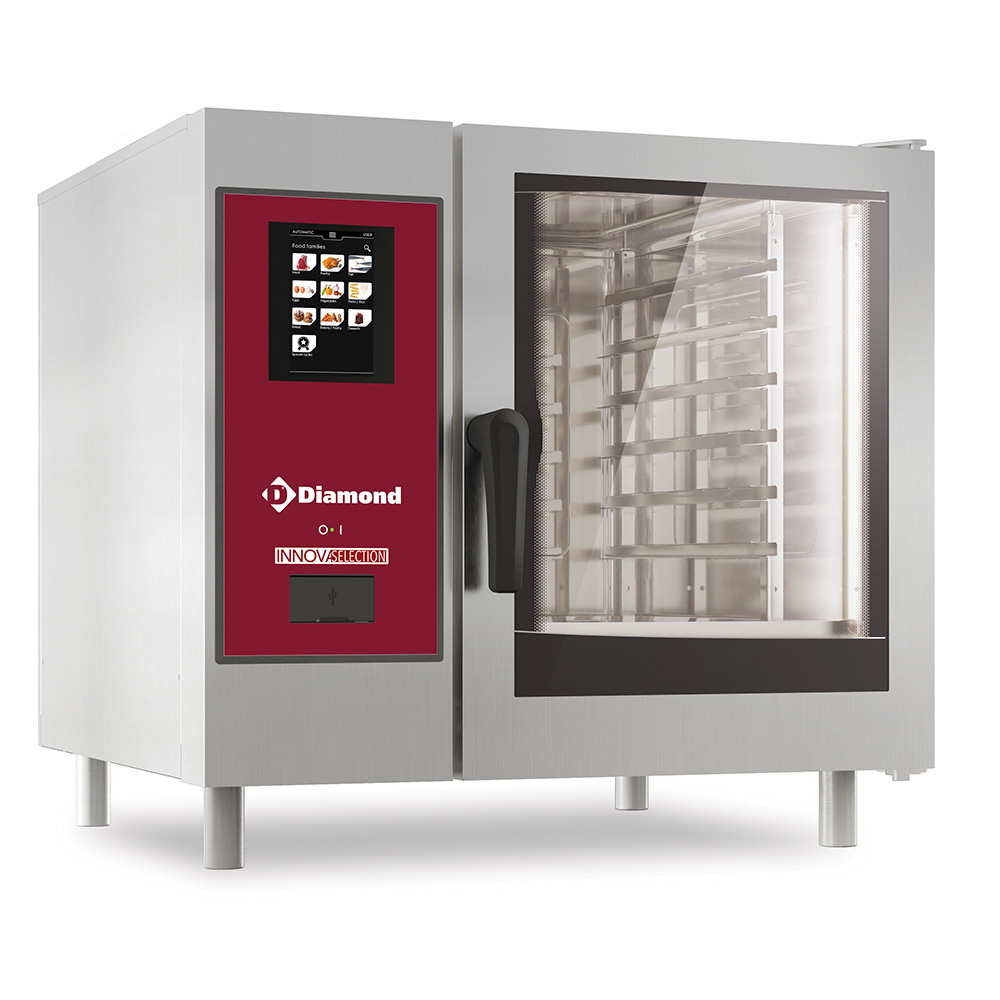
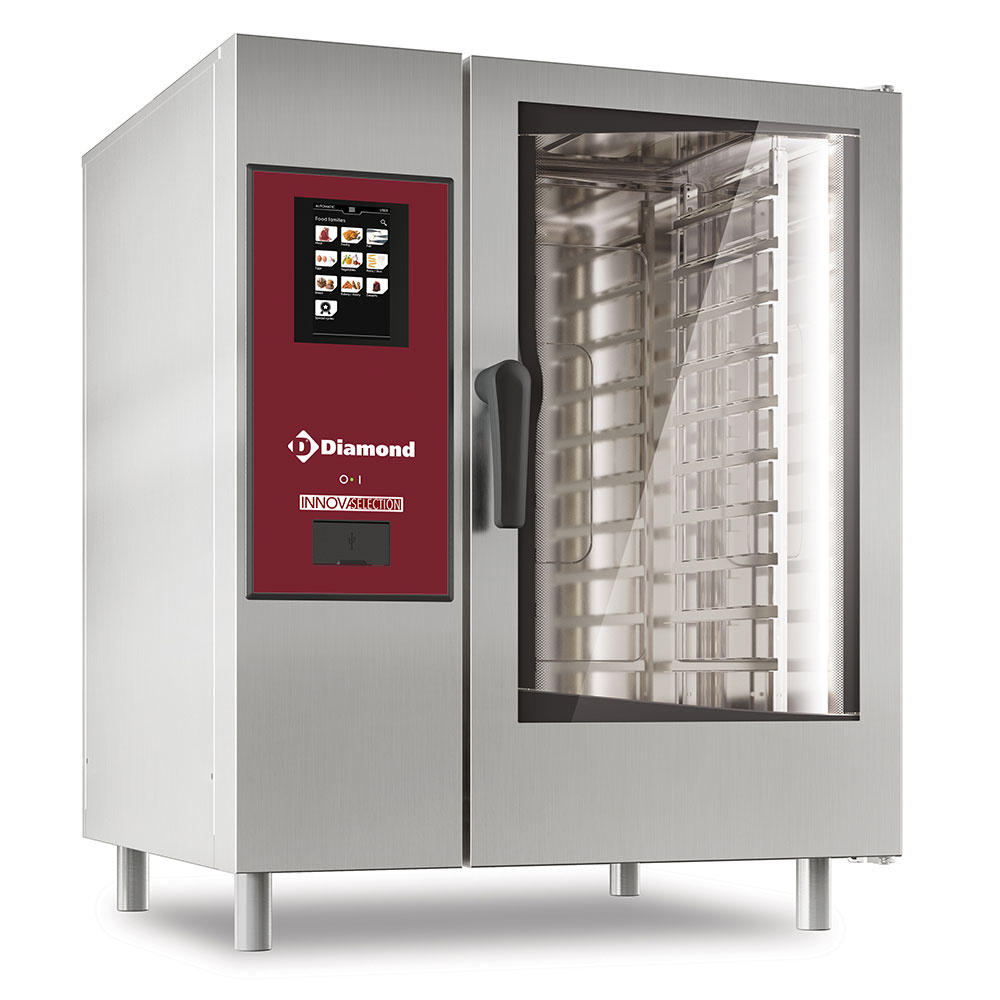
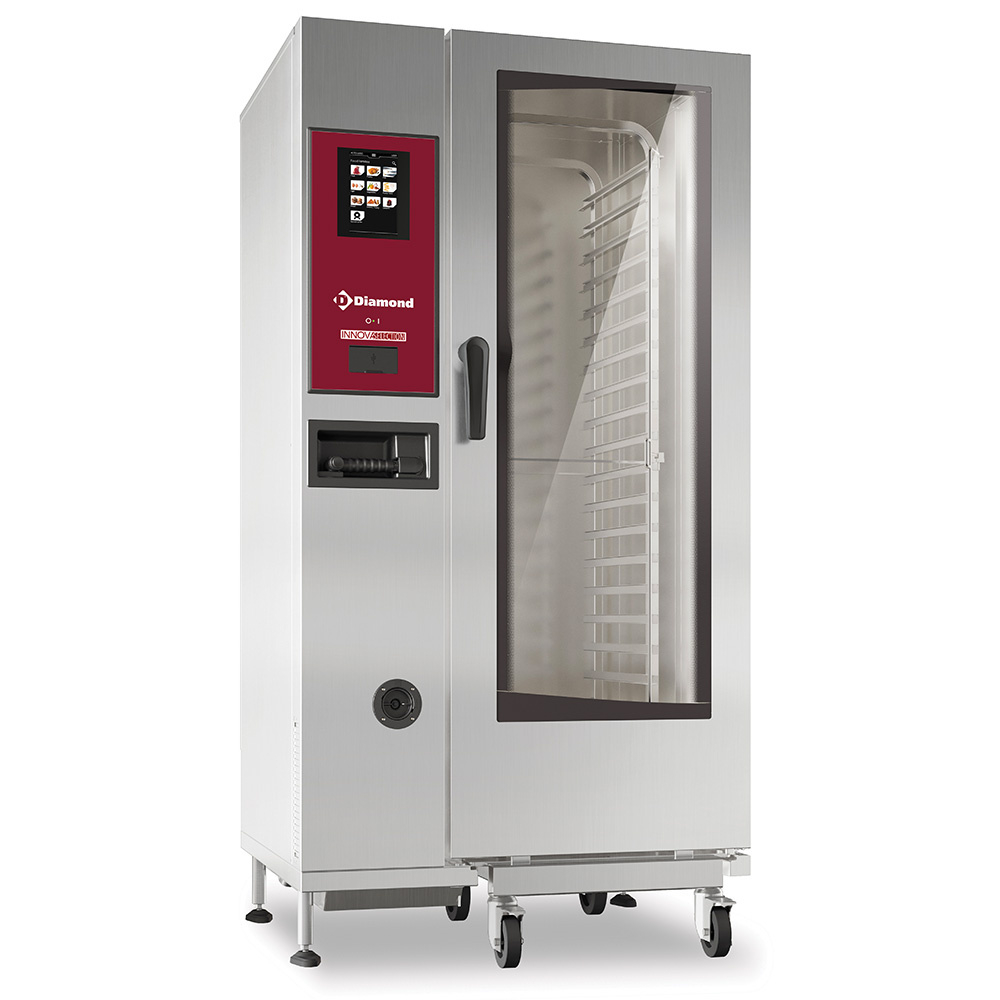
Combi ovens are manufactured in various sizes and capacities to meet the needs of both small and large-capacity professional kitchens. The basic reference parameter is the number of gastronorm containers (GN) that can be loaded into the cooking chamber at one time.
Small combi ovens (e.g. 4–6 × GN 1/1) are suitable for smaller restaurants, bistros, cafés, or supplementary kitchen production. They require minimal space while still offering the full functionality of professional equipment.
Medium combi ovens (6–10 × GN 1/1) represent a universal solution for most gastronomic operations.
They allow the preparation of multiple dishes simultaneously and can handle higher daily workloads.
Large-capacity combi ovens (from 10 × GN 2/1 and more) are designed for school canteens, hospitals, hotels, and central food production. They are built for continuous operation and high portion output without compromising quality.
The correct choice of combi oven size depends on the number of prepared portions, available kitchen space, and the organization of production.
According to control type: manual vs. touch control
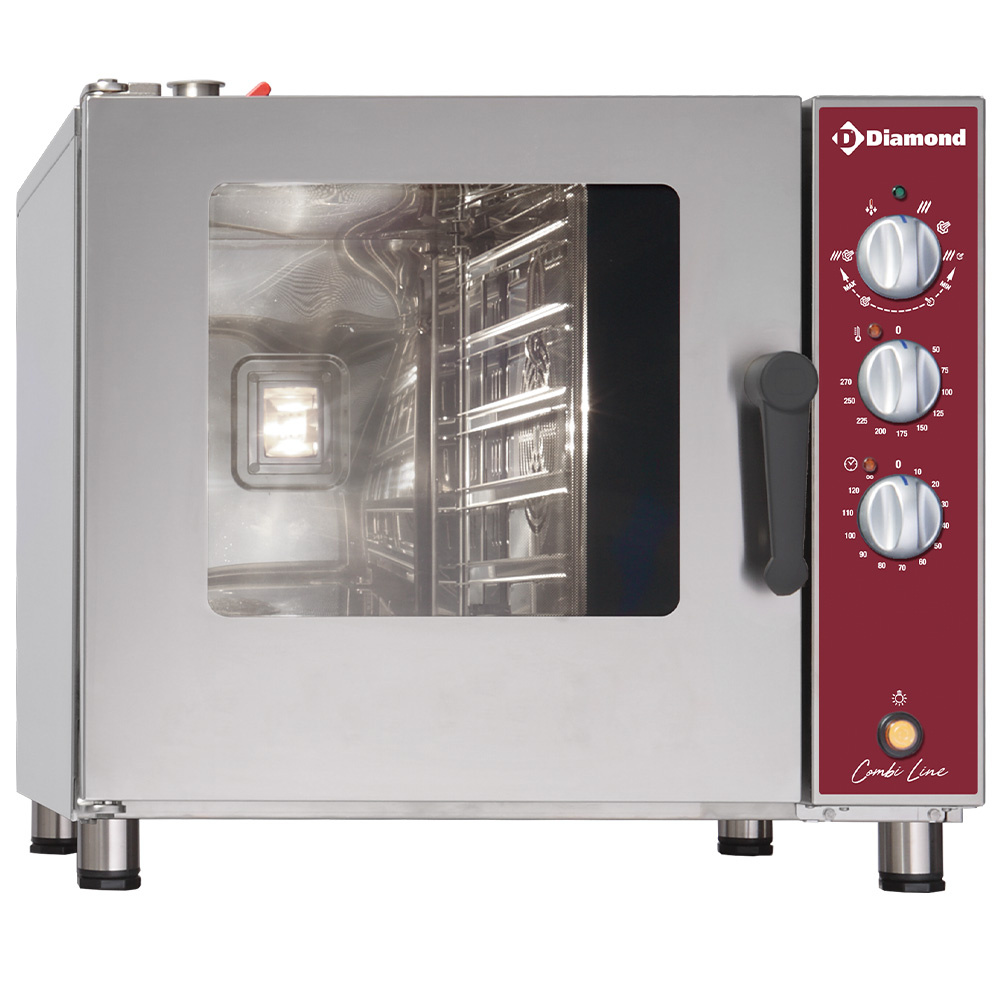
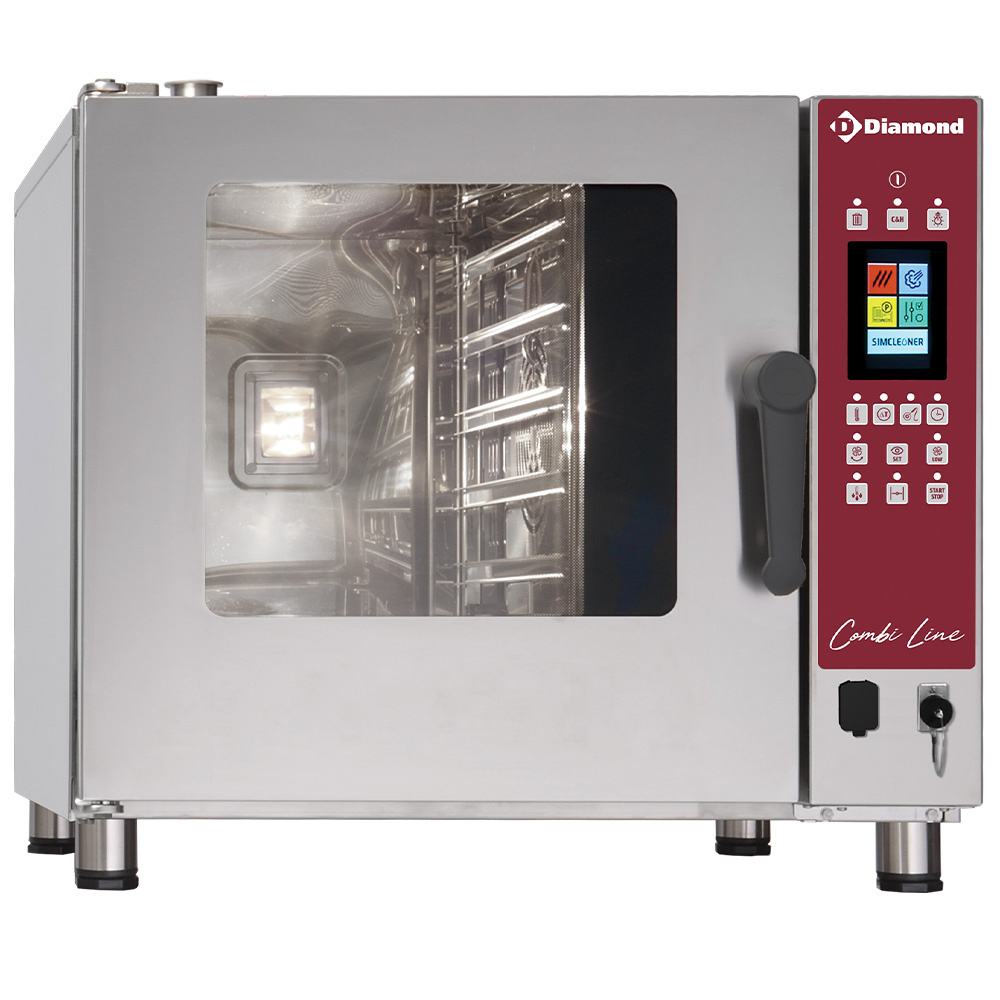
The control method of a combi oven has a significant impact on operating comfort, preparation accuracy, and the speed of staff training. In practice, three basic types of control are used.
Manual control
Combi ovens with manual control operate using rotary regulators or buttons that allow the operator to set temperature, time, and humidity. This is a simple and reliable solution suitable for operations with experienced staff and a stable menu.
Electromechanical control
This type represents a transition between manual and digital control. The unit enables more precise adjustment of individual parameters and provides greater control over the cooking process while maintaining simple operation.
Electronic and touch control
Modern combi ovens are equipped with a touch display featuring programs for specific types of dishes.
They allow recipe storage, automatic cooking cycles, precise humidity regulation, and often remote control or device diagnostics. This type of control minimizes operator errors and ensures consistent results even at higher production volumes. The choice of control method should reflect staff experience, the required level of automation, and the nature of the operation.
Types of combi ovens according to steam generation system
Combi ovens are divided according to the steam generation method into combi ovens with direct steam injection and combi ovens with a boiler system. The difference between them lies mainly in steam stability, humidity control accuracy, and suitability for specific technological processes.
Combi ovens with direct steam injection
Steam is generated by direct injection of water onto heated heating elements or a heat exchanger.
This is a simple and widely used system suitable for standard cooking, baking, and combined modes in professional kitchens. This type of combi oven provides good performance for most gastronomic applications; however, steam generation depends on the current heating temperature.
Combi ovens with a boiler system
They are equipped with an independent boiler that generates steam independently of the chamber temperature. Thanks to this, steam is available immediately after the program starts and its quantity remains stable throughout the entire cooking cycle. The boiler system allows very precise humidity control and is suitable for technologically demanding processes, such as the preparation of delicate meat dishes, bakery and confectionery products, as well as steamed dishes and leavened products, for example dumplings and buns, where constant steam without fluctuations is essential. The choice of the steam generation system should be based on the type of prepared dishes, the required precision, and the nature of the operation.
Advantages of a combi oven in a professional kitchen
Using a combi oven brings several practical advantages to a professional kitchen, which are reflected in daily operation, result quality, and work organization.
Versatility of use
The appliance can replace several standalone kitchen technologies, such as steam cookers, convection ovens, or regeneration units. A wide range of technological processes can be carried out in one unit without the need to move food between appliances.
Even results and consistent quality
Precise control of temperature, humidity, and air circulation ensures uniform heat treatment. Dishes achieve consistent quality regardless of quantity, order, or chamber load.
Time savings and more efficient staff operation
The ability to prepare multiple dishes simultaneously and automated cooking cycles reduce labor time.
The kitchen operates more smoothly even under higher workloads.
Better use of energy and raw materials
Optimized cooking processes shorten preparation time and minimize heat losses. Thanks to precise humidity control, unnecessary drying or weight loss of raw materials is prevented.
How to choose the right combi oven
When selecting a combi oven, it is important to consider several key factors that influence its usability, efficiency, and long-term satisfaction with operation.
Capacity and appliance size
The basic criterion is the number of prepared portions and the size of the kitchen. The combi oven should match the actual production volume without unnecessary oversizing or, conversely, capacity limitations.
Heating method and energy availability
The choice between electric and gas combi ovens depends on the technical capabilities of the operation, connection availability, and the expected intensity of use.
Steam generation system
For the preparation of steamed and leavened dishes, bakery products, or technologically demanding meals, a boiler system should be considered. For standard operation and universal use, a direct injection system may be sufficient.
Control level and automation
Manual control is suitable for experienced staff, while electronic and touch control simplifies operation, reduces errors, and enables recipe standardization.
Operating requirements and maintenance
Service availability, easy cleaning, and the presence of automatic cleaning programs are important. These factors have a significant impact on long-term operating costs. A properly selected combi oven should correspond to the nature of the operation, the type of prepared dishes, and the organization of work in the kitchen.